Why I love public transport
Escalating petrol prices should makes us all question our energy choices. Travel is a good place to start.

Even before the war, the cost of living was on the rise and as this was exacerbated by fuel prices, at least one city in the world has made public transport free – Melbourne. It is a city that I lived in for almost two decades and it is blessed with an excellent public transport system. Living car-free has been a life-long commitment which started living in Melbourne in my 20s.
I moved back there aged 19 after growing up in in Christchurch, New Zealand. If Melbourne is a public transport city, Christchurch is (or was) a cycling city. 8.30 in the morning was like peak hour in Amsterdam with hoards of cyclists banked up at traffic lights, outnumbering cars. I cycled everywhere because the city was safe enough for teenagers to cycle around at anytime of the day or night. I don’t remember anyone in my class who didn’t own a bicycle. Even though you could get your driver’s license at the age of 15 ( and I did) few of us owned cars. Bicycles gave us as much independence and freedom as we needed.
That said, my life has not been completely car-free. I should have bought shares in Avis for all the money I have spent hiring cars over the years but in Melbourne, many of my friends never bothered to get their driver’s license. Between trains, buses and trams you can get almost anywhere in within 40 minutes, usually less than thirty. My preference was always for trams which, given priority on roads, connected all the vital areas of the city - the parks, universities and restaurant and bars. Perhaps because we were often packed in like sardines and often standing, there was a different etiquette on trams; a solidarity that you didn’t get on a bus or a train.
The morning after Dusty Springfield died, I bumped into a friend on the tram to work. After I told her the news, a complete stranger who was standing next to us looked me straight in the eye and said, “Yeah. It’s going to take us all some time to get over that one. Did you know that she was bisexual.” “I had no idea,” I replied. He knew, apparently, because his sister had an affair with Dusty. This was information I would never have know had I driven a car or ridden a bicycle to work that day.
My older brother even tried to give me a car. It was an old Toyota that he had used while studying in Canberra and he gave it to me when he returned to New Zealand. I managed to get it towed the first week that I used it. After I paid a hundred bucks to get it back, I decided it wasn’t worth the trouble and went back to using public transport. It sat parked in front of our house for so long that, assuming that it had been stolen and dumped, the neighbours rang the cops.
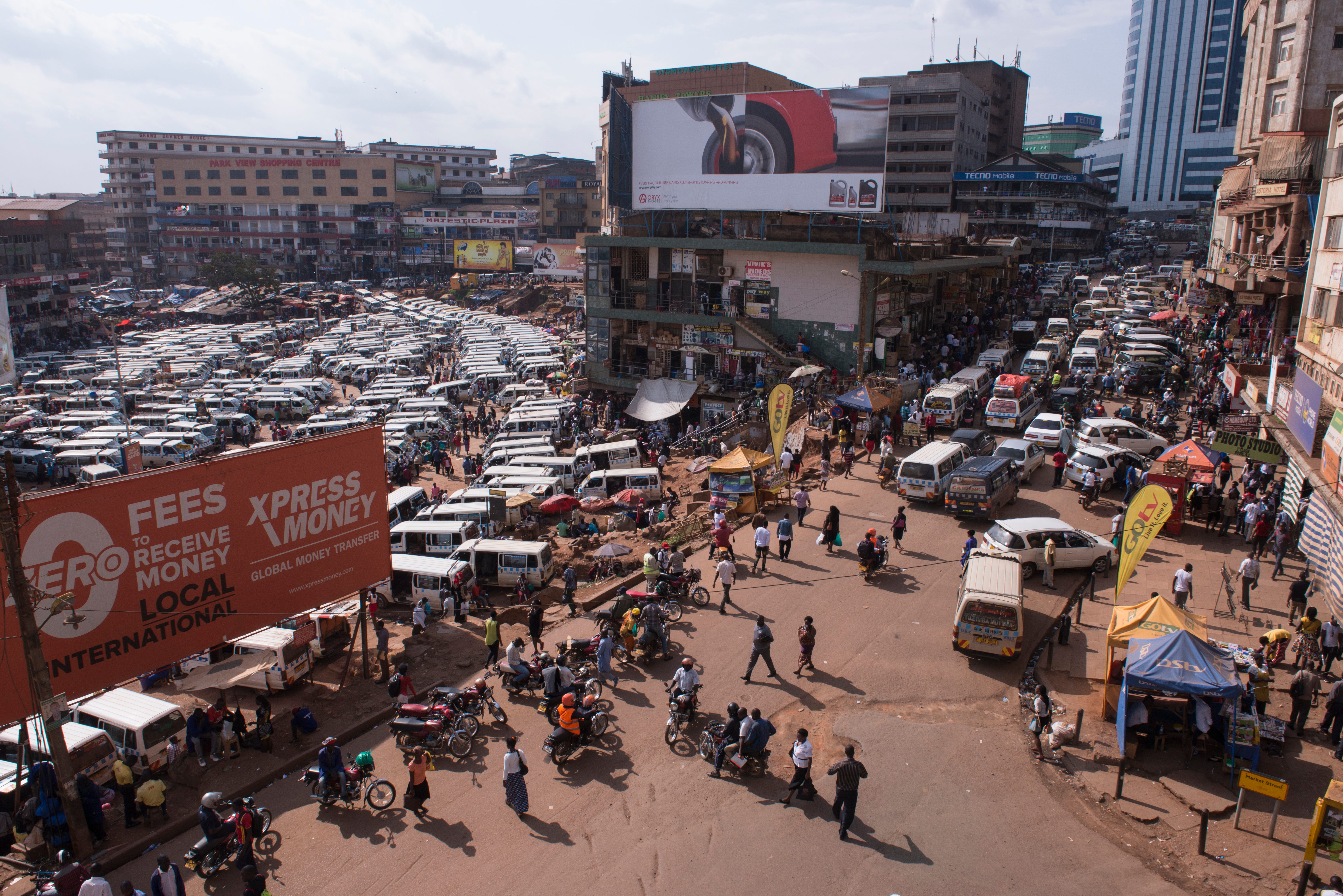
The second time that I had unfettered use of a car was in Nairobi when it came with my job. Nairobi traffic terrified me. The drivers seemed determined to kill you or themselves. They would drive on footpaths, overtake on blind corners, drive on the wrong side of the road or the wrong direction around roundabouts. One day I saw a sedan that had hit a speed bump at high speed, launching into the air and into the branches of a tree. The traffic was so lethal that in a single night 23 people lost their lives in car accidents.
Driving home one night along one of the main arterial roads, my headlights shone on a small crowd of people in the middle of the road. As other drivers continued, I pulled over and got out of the car. In the middle of the crowd was a man lying on the road, bleeding from the head. I offered to take him to hospital on the condition that someone came with me. Still new to the city I didn’t even know where the hospital was. A stout Kenyan woman about the same age as myself helped me carry the semi-conscious pedestrian to the car. After lying him on the back seat we drove off to the hospital.
In the emergency room, I not only paid for his admission (about five dollars from memory) but also that of a street kid who was with friends. The hospital staff looked at me suspiciously until the woman with me explained that I wasn’t driving the car that hit him, providing them with the license plate number of the car that did as evidence. I’m not sure if it was the head injury of if he was drunk but as he lurched around the emergency room, the hospital staff promised to observe him until he was cognizant.
When I lost my job in Nairobi, the car went with it. While my love for public transport started in Melbourne, the adventure really began in Nairobi. Most Kenyans can’t afford cars and travel on buses, mutatus (white mini buses) or bodas (motorcycle taxis). Buses were the bullies of the roads, blasting their horns, overtaking recklessly or driving on the verge to undertake. The sheer size of a bus, the fact that you sat above the rest of the traffic and are protected by thick sheets of steel makes you feel safer inside than you would in any other vehicle expect for a semi-trailer. For a fraction of the price of running a car, I could get to my destination faster, uninjured and alive.
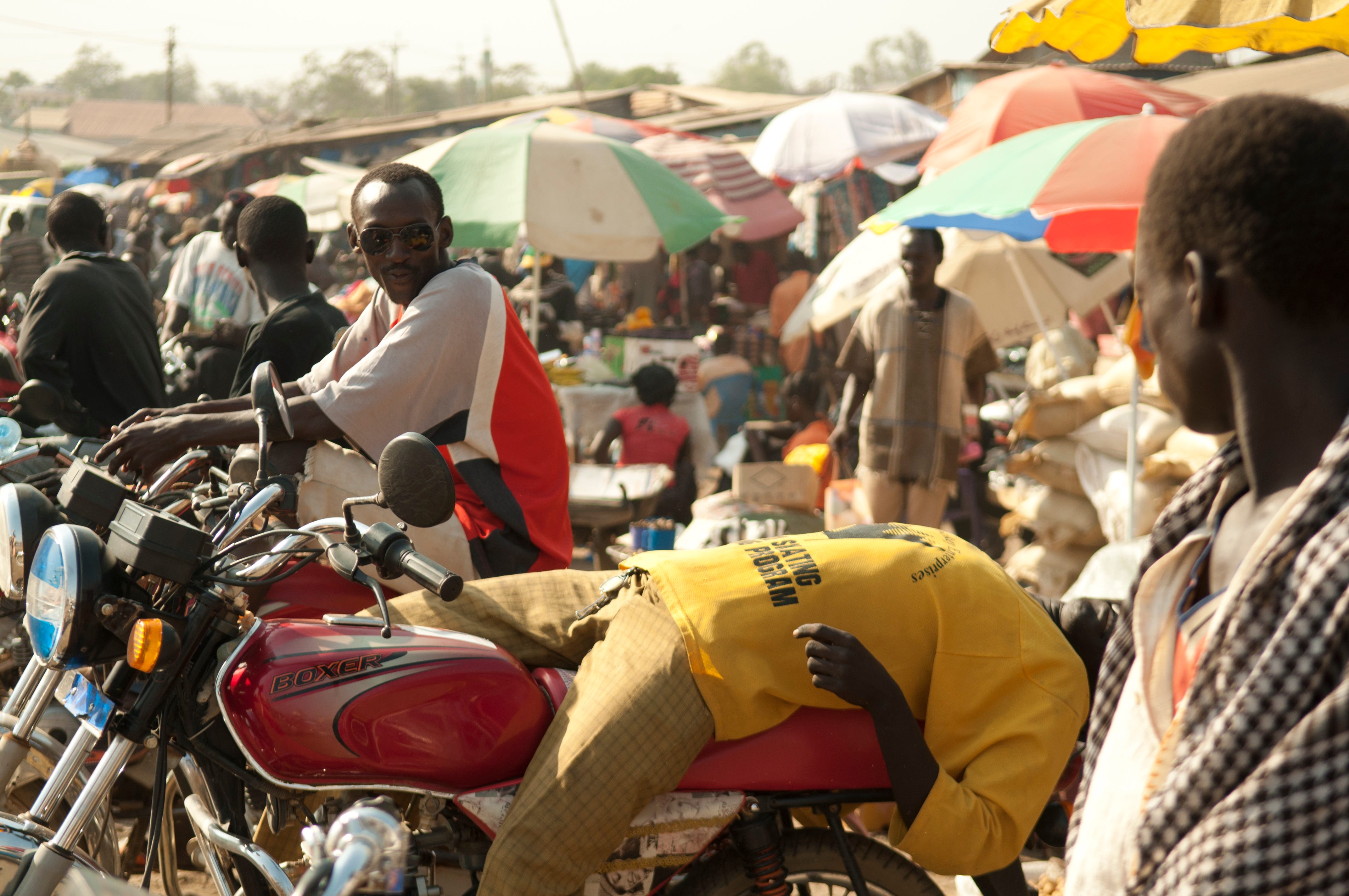
That said, Nairobi bus routes stick to the main arterials and if you needed to go to a specific address the next best option was a boda. If I felt safe in a bus, I felt the opposite on a boda – vulnerable and fragile. Without a case of metal to protect me, I kitted myself out as best I could in jeans, a thick canvas jacket, biker boots and gloves and my driver, Phillip, would always bring a helmet and a reflective vest for me to don before I jumped on the back of the bike. Just like Kendal Roy in the second season of ‘Succession’, I grasped the seat while Phillip manoeuvred us through gridlocks. The only advantage that boda had over the rest of the traffic was their agility and Phillip was a master at avoiding the murderous Nairobi drivers.
This typified my work in Africa and the Middle East; I was chauffeur driven. This ended when I moved to Uganda and stopped working for a while. My partner had a car that I drove for two years and I was perpetually angry. It was an immeasurable relief for us both when we moved to Copenhagen which, like Melbourne, is another great city for public transport. The underground, trains, buses and ferries almost always run on time and you rarely wait more than five minutes for any of them. Except the ferries which, like the famous Statten Island one, are a tourist attraction and you are lucky to even board in summer, so they keep their own time.
In the beginning, my love for public transport arose from the need to get from A to B. However, the more I travel and witness the devastating consequences of climate change, my infatuation has transformed into a long-term commitment. Emissions from fossil fuels, such as the exhaust from your car are the greatest contributor. Riding the bus, train or tram was that one thing I could do to ease my conscience as the world burns.
But it’s a commitment that has often been tested, and there is nothing that tests a relationship like long distance. Every two years or so I return to New Zealand. Private long-haul transport (aka a private jet) is only an option for very few and I’m not one of them. I can’t even afford business class, so trips home require around twenty hours of sitting upright in economy (yes, I offset my flights).
On a recent trip, after travelling some thirty hours (including a missed connection) my partner and I left the airport and wheeled our bags half a kilometre into the sunset to the nearest bus stop. We watched the light dim over a range of mountains called The Remarkables (yes, they are) as we waited for the bus. When it arrived, the driver not only lifted our bags onboard but also hauled a couple of bicycles inside as well. At the next stop, another passenger got on with a few large boxes, making it feel more like a moving van than a public bus.
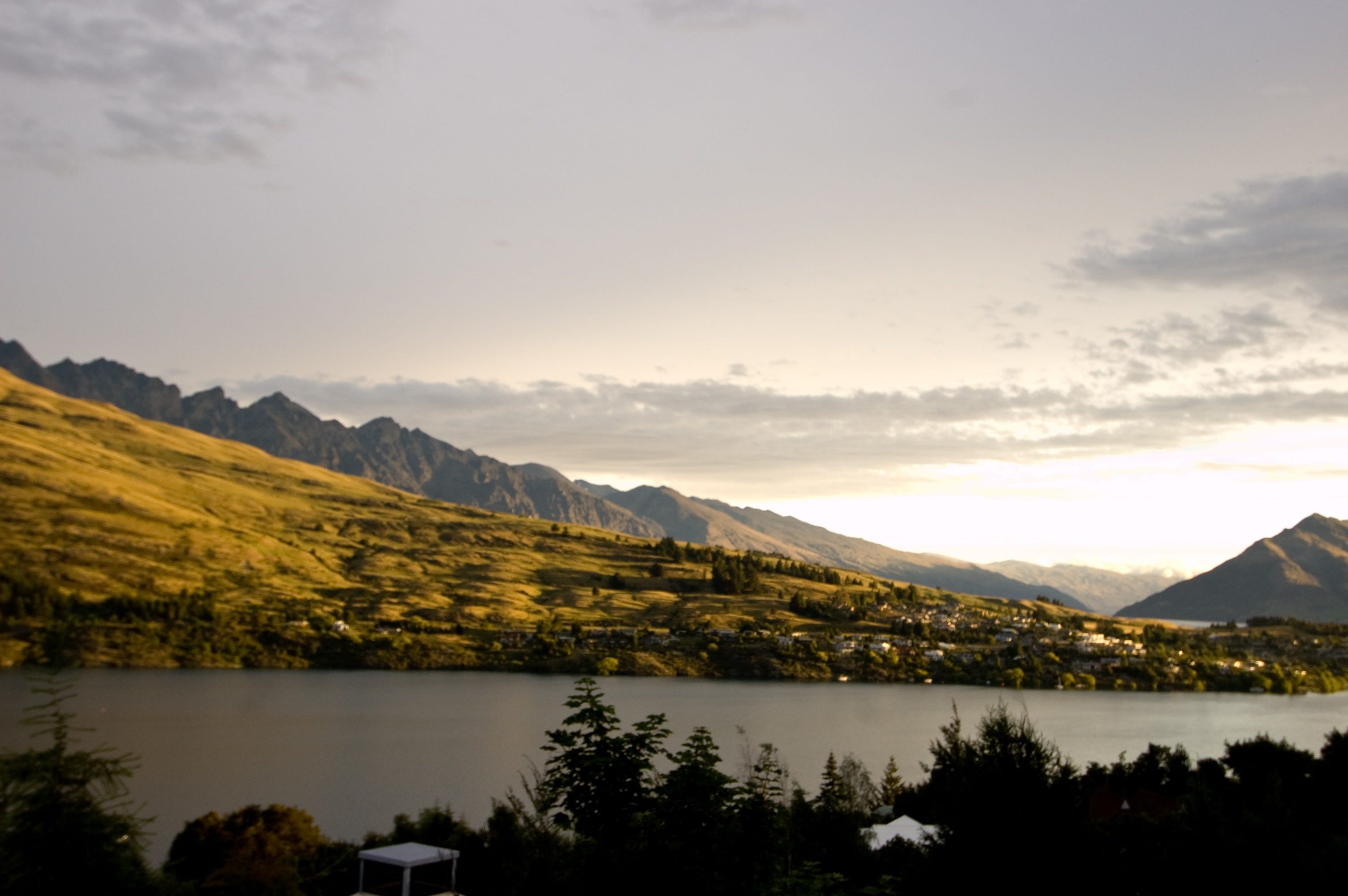
The next day we took the same bus in daylight and realized what we had missed. Some of the most beautiful scenery in the world – mountains, lakes, vineyards and villas – flanked the bus on both sides. We made this trip at least four times during our stay there, paying less than two US dollars each time.
My commitment to public transport is such that we travelled the country for two weeks without hiring a car. We took buses, ferries, trains, taxis and even walked 33 kilometres over three days. Often it was slower and more expensive than hiring a car but we were rewarded with the luxury of taking in the scenery without having to navigate or manoeuvre a vehicle on unfamiliar roads, with a bus driver who gave us a guided tour from Queenstown to Tekapo and a witnessing a marriage proposal from the dining car of a train.
As petrol prices have risen over the last few months, so too have the profits of oil companies which are now at record levels. We would all do well to reconsider our relationship with public transport. Beyond the money we might save, demand can drive supply. Simply put, the more people use it, the more will be made available.
Maybe you will never love it as much as I do, but you might like it more than you think.